
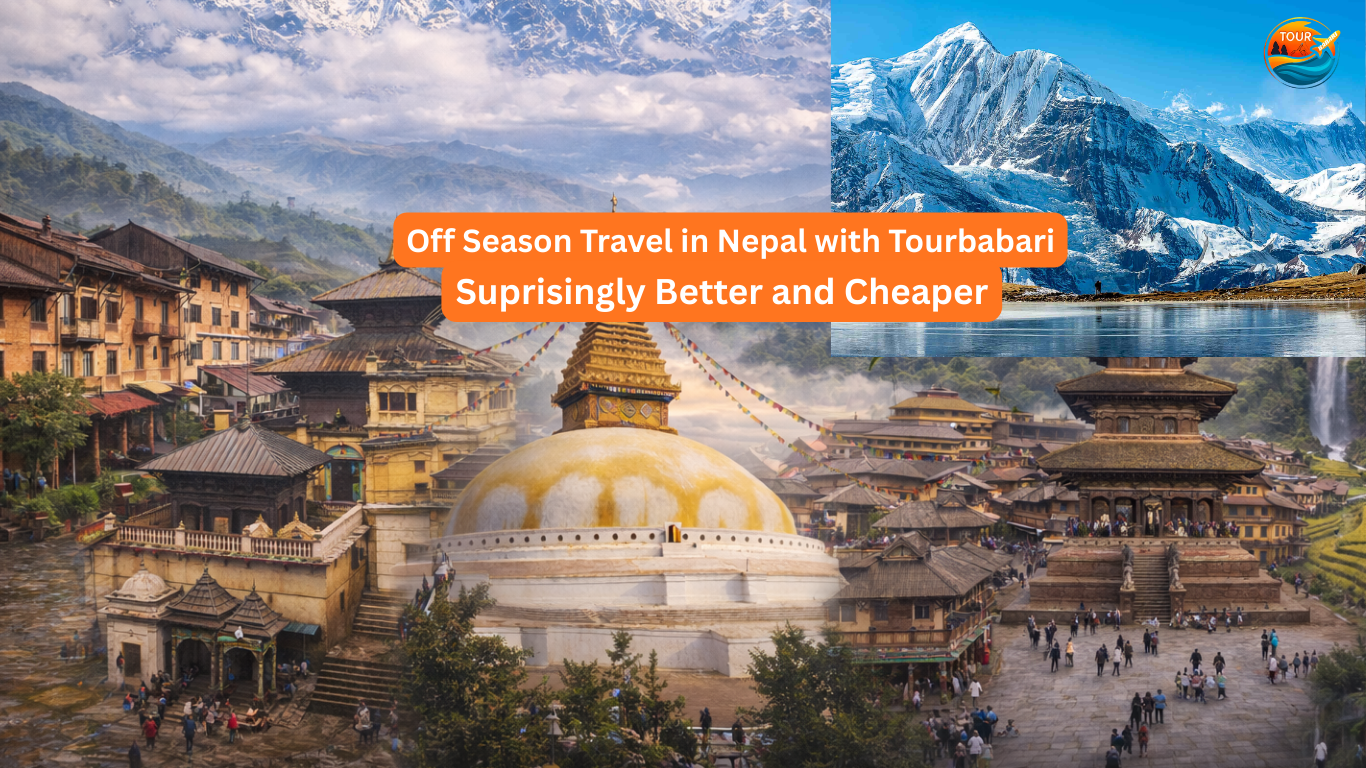
Most travelers planning a trip to Nepal instinctively look at the months of October and November. They have heard that the skies are crystal clear during autumn and the mountain views are nothing short of spectacular. They are not wrong. Autumn in Nepal is genuinely magical. However, this narrow focus on peak season means thousands of visitors crowd the same trails, compete for the same hotel rooms and pay premium prices for everything from flights to guided tours. What if I told you that off-season travel in Nepal could give you a more authentic, peaceful and affordable experience without sacrificing the essence of what makes this country extraordinary.
Understanding the Seasons for Travel in Nepal
Nepal’s off-season primarily falls into two distinct periods. The winter months from December through February and the monsoon season spanning June to August. Both periods have their unique characteristics, challenges and unexpected rewards. While the travel industry often paints these months as times to avoid, savvy travelers are discovering that travel in Nepal during off-season offers something that peak season simply cannot provide. Intimacy with the landscape, genuine connections with locals and the freedom to explore without fighting through tour groups at every turn.
The Four Distinct Seasons of Travel in Nepal
The country experiences four distinct seasons, but the tourism industry operates on a binary system. Peak season and off-season. Peak season includes autumn from September to November and spring from March to May. During these windows, the weather is generally stable, mountain views are reliable and the trails are busy with trekkers from around the world. Off-season encompasses winter and monsoon, periods when conventional wisdom suggests staying away. This conventional wisdom, however, is increasingly outdated.
Why Off-Season Travel in Nepal Is Gaining Popularity
According to recent tourism statistics, Nepal welcomed over 1.14 million international visitors in 2024, with significant growth in off-season months. In August 2024 alone, 72,719 tourists visited, up from 67,153 in August 2023. This demonstrates that travelers are beginning to recognize the unique advantages of visiting outside traditional peak periods.
Winter Travel in Nepal: A Hidden Gem
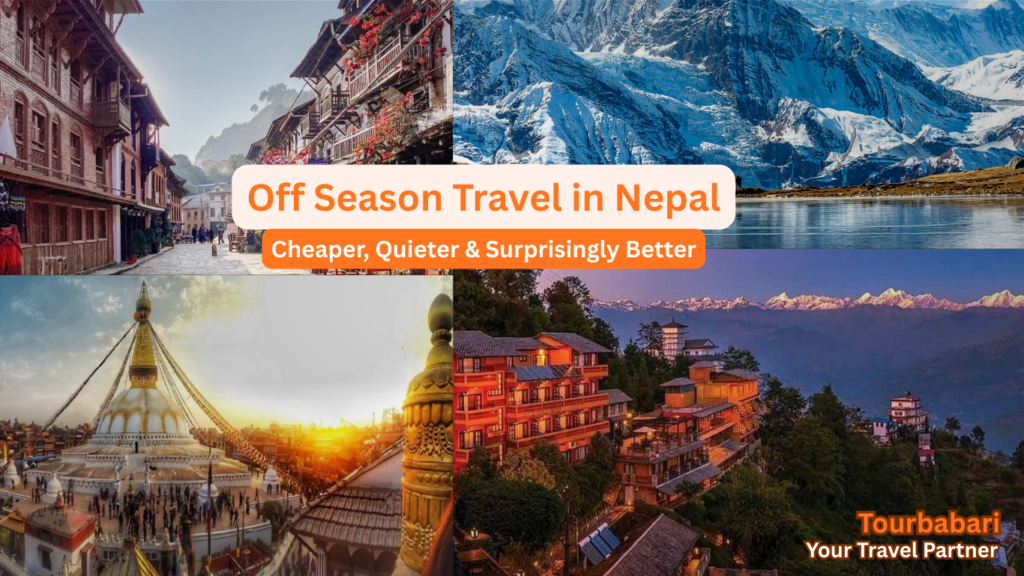
Let us start with winter, the quieter of the two off-season periods. From December through February, Nepal transforms into a different kind of Himalayan paradise. The crowds that filled the trails in October have vanished. The teahouses that were bursting at the seams now welcome you with warm fires and empty dining rooms. The mountains, dusted with fresh snow, take on an ethereal quality that photography enthusiasts dream of capturing. Yes, it is cold, especially at higher altitudes, but the trade-offs are remarkable.
Best Winter Trekking Routes for Travel in Nepal
Winter trekking in Nepal requires strategic route selection. High-altitude passes like Thorong La on the Annapurna Circuit often close due to heavy snow, making certain routes impassable. However, lower altitude treks become incredibly rewarding during this season.
The Ghorepani Poon Hill trek remains entirely accessible and offers some of the most spectacular sunrise views over the Annapurna range without the crowds that usually jostle for position at the viewpoint. Reaching a maximum elevation of 3,210 meters, this trek provides an excellent introduction to winter travel in Nepal.
The Langtang Valley trek, sitting north of Kathmandu, provides an authentic Himalayan experience with snow-covered peaks and frozen waterfalls, all while staying at elevations where the cold is manageable with proper gear.
Financial Benefits of Winter Travel in Nepal
The financial benefits of winter travel are substantial. Accommodation costs drop by twenty to thirty percent compared to peak season. Teahouses that charge premium rates in October are happy to offer discounts in January to attract the few travelers who venture out. Flight prices to Nepal from international destinations often see significant reductions during these months. Domestic flights, particularly the crucial Kathmandu to Lukla route for Everest region treks, are less in demand, though weather delays remain a consideration. Guides and porters, who command premium rates during autumn, are more willing to negotiate prices and offer flexible arrangements.
Exploring Kathmandu Valley During Winter
Kathmandu Valley during winter is particularly pleasant. The pollution and dust that plague the capital during other times of the year settle down, revealing the true colors of the medieval temples and palaces. The temperature in the valley ranges from comfortable daytime highs around fifteen to twenty degrees Celsius to cooler nights that rarely drop below freezing. This is ideal weather for exploring the UNESCO World Heritage sites of Pashupatinath, Boudhanath and Bhaktapur without the intense heat of pre-monsoon or the crowds of autumn.
Monsoon Travel in Nepal: Embracing the Green Season
Now let us address the monsoon season, which runs from June through August. This is Nepal’s most misunderstood travel period. The word monsoon conjures images of endless downpours, leech-infested trails and zero mountain visibility. While these concerns are not entirely unfounded, they represent only part of the story. Monsoon in Nepal does not mean it rains all day every day. The pattern typically involves heavy afternoon showers after relatively clear mornings, leaving ample time for exploration and trekking during the early hours.
Rain Shadow Destinations for Monsoon Travel in Nepal
The key to successful monsoon travel lies in choosing the right destinations. Nepal’s geography creates rain shadow areas that receive minimal precipitation even during the height of the monsoon.
Upper Mustang, located behind the Annapurna and Dhaulagiri massifs, sits in one of these rain shadows. This high-altitude desert region, with its ancient Tibetan Buddhist culture and dramatic arid landscapes, is actually at its best during monsoon season. The temperatures are moderate, the skies are often clear, and the region is accessible when much of the country is experiencing heavy rain. The Upper Mustang trek requires special permits and a registered guide, but the experience of exploring this forbidden kingdom without the crowds makes it worthwhile.
Dolpo region, another rain shadow area in western Nepal, offers similar advantages. Remote, culturally distinct and stunningly beautiful, Dolpo sees few visitors during monsoon, yet the weather conditions are favorable for trekking. Rara Lake, Nepal’s largest lake surrounded by pine forests and snow-capped peaks, is another monsoon-friendly destination that remains relatively dry while the rest of the country experiences heavy rainfall.
The Lush Beauty of Monsoon Travel in Nepal
For those willing to embrace the rain, the monsoon season reveals Nepal at its most lush and vibrant. The rice paddies are a brilliant green, the forests are alive with waterfalls and streams, and the air is washed clean of dust and pollution. The agricultural rhythm of rural Nepal is in full swing, offering visitors the chance to participate in planting festivals and see traditional farming practices in action. The Ropai Rice Planting Festival, celebrated in mid-June, invites visitors to join local communities in the fields, sharing traditional food and experiencing the joy of sowing season.
Wildlife Viewing Opportunities During Monsoon Travel in Nepal
Wildlife viewing during monsoon has its own advantages. Bardia National Park in the western Terai region offers excellent tiger sighting opportunities during these months. The vegetation is thick, but the animals are active, and the park receives far fewer visitors than during the dry season. The humidity and heat of the Terai plains, which can be oppressive in summer, are actually more comfortable during monsoon when afternoon showers cool the air.
Why Off-Season Travel in Nepal Is Surprisingly Better
Let us talk about the practical advantages that make off-season travel in Nepal surprisingly better beyond just the weather and scenery. This is where the real value proposition becomes clear for thoughtful travelers.
Prime Writes brings you the essential insider knowledge that transforms a standard trip into an extraordinary journey. During off-season months, the relationship between visitors and locals shifts fundamentally. In peak season, interactions are often transactional and hurried. Tea house owners are managing full houses, guides are juggling multiple groups, and there is little time for genuine connection. Off-season changes this dynamic entirely. You are not just another trekker passing through. You become a welcome guest during a quiet period when locals have time to share stories, teach traditional cooking, or invite you into their homes for butter tea.
Cultural Immersion Through Off-Season Travel in Nepal
This cultural immersion is perhaps the most underrated aspect of off-season travel. In villages along the Annapurna Circuit or in the Everest region, winter evenings are spent around the stove with families who have time to talk. You learn about the challenges of mountain life, the changes brought by modernization, and the deep spiritual connection that Nepali people maintain with their landscape. These conversations, impossible during the rush of October, become the memories that last long after the trek ends.
Photography Advantages of Off-Season Travel in Nepal
The photography opportunities during off-season are exceptional. Winter provides clear, crisp air and snow-capped peaks that create stunning contrast against blue skies. The low angle of the winter sun creates dramatic lighting throughout the day, not just during golden hours. Monsoon, despite the clouds, offers moody, atmospheric shots with mist-shrouded mountains and vibrant green landscapes that look nothing like the dry, brown terrain of post-monsoon autumn. The dramatic cloud formations and occasional rainbows add elements that peak season photographers rarely capture.
Solitude and Spiritual Connection During Travel in Nepal
For solo travelers and those seeking introspection, off-season Nepal is a gift. The trails that are highways of humanity during autumn become personal pathways during winter. You can walk for hours without encountering other trekkers, experiencing the profound silence of the Himalayas broken only by wind and bird calls. This solitude allows for a deeper connection with the environment and with oneself. Many experienced trekkers report that their off-season journeys were more spiritually rewarding than their crowded peak season adventures.
Addressing Concerns About Off-Season Travel in Nepal
Let us address the concerns that keep people away from off-season travel and provide practical solutions. Safety is the primary worry, particularly regarding weather and trail conditions.
Safety Considerations for Winter Travel in Nepal
Winter trekking requires proper equipment, including warm sleeping bags rated for sub-zero temperatures, layered clothing systems and possibly crampons for icy sections. However, these are standard preparations for any cold-weather mountain activity, not unique obstacles.
Health and Safety During Monsoon Travel in Nepal
Health concerns during monsoon focus on waterborne diseases and stomach issues. These risks are manageable by following strict hygiene protocols. Drinking only properly treated water, avoiding raw vegetables and unpeeled fruits, and carrying oral rehydration salts are standard practices that keep travelers healthy. The reality is that food safety standards in Nepal’s tourist areas have improved significantly, and the risk of illness is not dramatically higher than during other seasons if basic precautions are followed.
Flight delays are a genuine concern during both off-season periods. Winter fog and monsoon clouds can ground aircraft, particularly on the Kathmandu to Lukla route. The solution is to build buffer days into your itinerary and consider alternative approaches. The drive to Salleri followed by a trek to Lukla adds days but provides a more gradual acclimatization and a richer cultural experience. For other regions, road transport, while slower, is more reliable during weather events and significantly cheaper than flying.
The Economic and Ethical Case for Off-Season Travel in Nepal
The economic argument for off-season travel extends beyond personal savings to ethical considerations. Nepal’s tourism industry is highly seasonal, creating a boom-and-bust cycle that makes life difficult for guides, porters and tea house operators who depend on trekking for their livelihood. By traveling during off-season, you are supporting these families during months when income is scarce. The money you spend goes further in helping communities sustain themselves throughout the year. This form of responsible tourism creates more equitable economic distribution than concentrating all visits into a few months.
Improved Service Quality During Off-Season Travel in Nepal
Accommodation quality during off-season often improves rather than declines. With fewer guests to manage, tea house owners can provide more attentive service. You frequently get the best rooms with the best views, sometimes at lower prices than the basic rooms cost in peak season. Hot showers, which might be limited or expensive when water is scarce with full houses, are readily available. The food, while based on the same menus, is often prepared with more care when kitchens are not overwhelmed by volume.
Cost Breakdown: How Much You Save with Off-Season Travel in Nepal
Let us get specific about costs because budget considerations drive many off-season decisions. During peak season, a basic teahouse room on popular routes might cost five to ten dollars per night, if you can find one. In winter, that same room often drops to three to five dollars, with negotiation possible for multi-night stays. Guide costs, which run twenty-five to thirty-five dollars per day in autumn, can often be negotiated down to twenty dollars or less in off-season months. Domestic flights see reductions of fifteen to twenty percent. Even international airfare to Kathmandu tends to be cheaper during Nepal’s off-season months.
Total Budget Comparison for Travel in Nepal
The total cost difference is significant. A two-week trek that might cost fifteen hundred dollars during peak season can often be completed for under one thousand dollars in winter, assuming the same level of comfort and service. This is not about roughing it or compromising safety. It is about the simple economics of supply and demand working in the traveler’s favor.
Recommended Routes for Off-Season Travel in Nepal
For those interested in specific route recommendations, winter opens up several exceptional possibilities beyond the already mentioned Poon Hill and Langtang.
Winter Trekking Options for Travel in Nepal
The Mardi Himal trek, a relatively new route that offers close-up views of Machhapuchhre and the Annapurna range, is excellent in winter with clear skies and stable conditions at its lower maximum altitude. The Helambu trek, close to Kathmandu, provides cultural immersion in Sherpa and Tamang villages without the extreme cold of higher routes. The Pikey Peak trek in the Everest region, which Sir Edmund Hillary reportedly called his favorite view of Everest, is accessible without flights to Lukla and offers winter conditions that are manageable with standard gear.
Monsoon Trekking Alternatives for Travel in Nepal
During monsoon, besides the rain shadow regions, the Kathmandu Valley cultural tour takes on special significance. The medieval cities of Kathmandu, Patan and Bhaktapur are UNESCO World Heritage sites that deserve several days of exploration regardless of season, but monsoon afternoons provide the perfect excuse to linger in ancient courtyards, visit museums and learn about Newari culture while rain falls outside. The nearby hill station of Nagarkot, famous for sunrise mountain views, actually has a decent chance of clear mornings during monsoon, with the added benefit of lush green hills rather than the brown landscape of dry months.
Bandipur, a preserved Newari town on the trade route between India and Tibet, is another monsoon gem. Sitting at a moderate elevation, it avoids the worst of the Terai heat and the Himalayan cold, offering colonial architecture, hiking trails and homestay experiences that feel authentic precisely because few tourists visit during these months. The nearby Siddha Gufa, one of the largest caves in South Asia, provides an adventurous rainy-day activity.
Essential Preparation for Off-Season Travel in Nepal
Practical preparation for off-season travel requires attention to gear that might not be necessary during peak times.
Gear Requirements for Winter Travel in Nepal
For winter, invest in a quality four-season sleeping bag, insulated water bottles to prevent freezing, and multiple base layers.
For monsoon, waterproof jacket and pants with sealed seams are essential, as are quick-dry clothing items and waterproof covers for your backpack. Leeches are a genuine nuisance during monsoon trekking in forested areas, but leech socks and salt or tobacco for removal make them manageable rather than trip-ending problems.
Insurance and Safety Essentials for Travel in Nepal
Insurance becomes even more critical during off-season travel. Ensure your policy covers helicopter evacuation and weather-related cancellations. While emergencies are rare, the reduced number of travelers means rescue services might take longer to mobilize, making good insurance essential peace of mind.
The Mindset for Successful Off-Season Travel in Nepal
The psychological preparation for off-season travel is as important as the physical. You must embrace uncertainty and flexibility. Weather will dictate some of your movements. Views might be obscured on certain days. Plans may need to change. However, this adaptability often leads to unexpected discoveries. A day spent waiting out a storm becomes an opportunity to learn local card games or help prepare a meal. A cloudy morning that clears unexpectedly provides a private mountain view that peak season crowds share with hundreds of others.
Is Off-Season Travel in Nepal Right for You?
Off-season travel in Nepal is not for everyone. If your primary goal is to tick off specific viewpoints or maintain a rigid schedule, the uncertainties of weather might frustrate you. However, if you seek genuine connection with place and people, if you value solitude and introspection, if your budget requires stretching, or if you simply want to see Nepal as it exists rather than as a tourist product, off-season travel offers profound rewards.
The Future of Off-Season Travel in Nepal
The tourism industry is slowly recognizing the value of dispersing visitors throughout the year. Some forward-thinking lodges now offer off-season packages that include cooking classes, photography workshops and cultural immersion activities that would be impossible during busy months. Guides are developing expertise in winter and monsoon conditions, recognizing that these seasons require different skills than peak season guiding. This professionalization of off-season travel is making it increasingly accessible to mainstream travelers who might previously have been deterred.
As climate change alters traditional weather patterns, the distinction between seasons is becoming less rigid anyway. What was once reliably dry in October might now see unexpected precipitation. Conversely, monsoon patterns are becoming more predictable in some regions, with clearer morning windows for trekking. This evolution means that off-season travel is not just an alternative but increasingly a practical choice that offers the best balance of conditions, cost and experience.
Conclusion: Discover the Hidden Side of Travel in Nepal
In conclusion, Nepal’s off-season months offer a different kind of magic than the celebrated peak seasons. Winter provides crystalline air, snow-covered peaks and profound silence. Monsoon brings lush landscapes, vibrant agricultural life and access to rain shadow regions at their best. Both periods offer significant cost savings, authentic cultural interactions and the rare gift of experiencing one of the world’s most beautiful countries without fighting through crowds.
The mountains do not disappear during off-season. The culture does not become less rich. The welcome does not become less warm. In many ways, these elements become more accessible, more genuine and more powerful when experienced in solitude. The question is not whether Nepal is worth visiting during off-season. The question is whether you are ready to discover a Nepal that most travelers never see, a Nepal that is quieter, cheaper and surprisingly better than the crowded trails of October.
Pack your sense of adventure along with your rain jacket or down coat. Prepare for flexibility and embrace uncertainty. Nepal awaits, not despite the off-season, but because of it. The Himalayas have stood for millions of years through all seasons. They will be there to welcome you whenever you choose to come, but the experience you have might depend entirely on your willingness to step away from the crowds and discover the Nepal that exists in the spaces between the peak season rush. That Nepal is waiting, and it is more beautiful than you can imagine.






