
Everyone talks about the views.
They show you photos of snow peaks glowing at sunrise. Prayer flags against blue skies. Smiling trekkers at Everest Base Camp.
But here is what no one tells you about trekking in Nepal.
It is wild. It is uncomfortable. It is emotional. And it is addictive.
Why Trekking in Nepal Feels Very Different From Other Countries
The First Morning Hits Different
- Your alarm rings at 5 AM.
- It is freezing. Your water bottle is half ice. You unzip your sleeping bag and question every life decision that brought you here.
- Then you step outside.
- The sky is pink. The mountains look unreal. The air is so fresh it almost burns your lungs.
- That is when it begins.
- Not the trek. The feeling.
Endless Stone Stairs in Trekking in Nepal
You Will Doubt Yourself
- Somewhere around day three your legs start complaining.
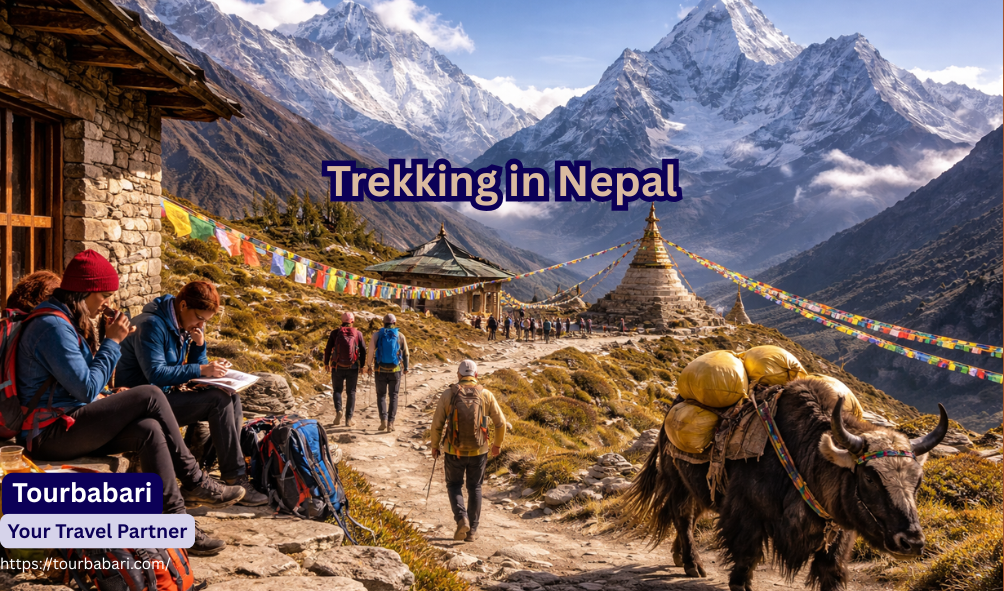
- The stairs never end. The uphill feels personal. Your backpack suddenly weighs double.
- You start thinking.
- Why did I sign up for this.
- But then you look up. Massive peaks surround you near the Annapurna Base Camp trail. Clouds move like slow waves. Yaks pass by with bells ringing softly.
- And you keep walking.
- Trekking in Nepal quietly teaches you that you are stronger than your excuses.
The Mountains Feel Alive
No one tells you how small you will feel.
- Standing beneath Mount Everest or watching the sun touch Annapurna I is not just sightseeing.
- It is humbling.
- The mountains do not care about your job title. Your followers. Your plans.
- Up there it is just you. Your breath. Your next step.
- And somehow that feels freeing.
The Simple Things Become Luxury
- Hot water becomes treasure.
- WiFi becomes irrelevant.
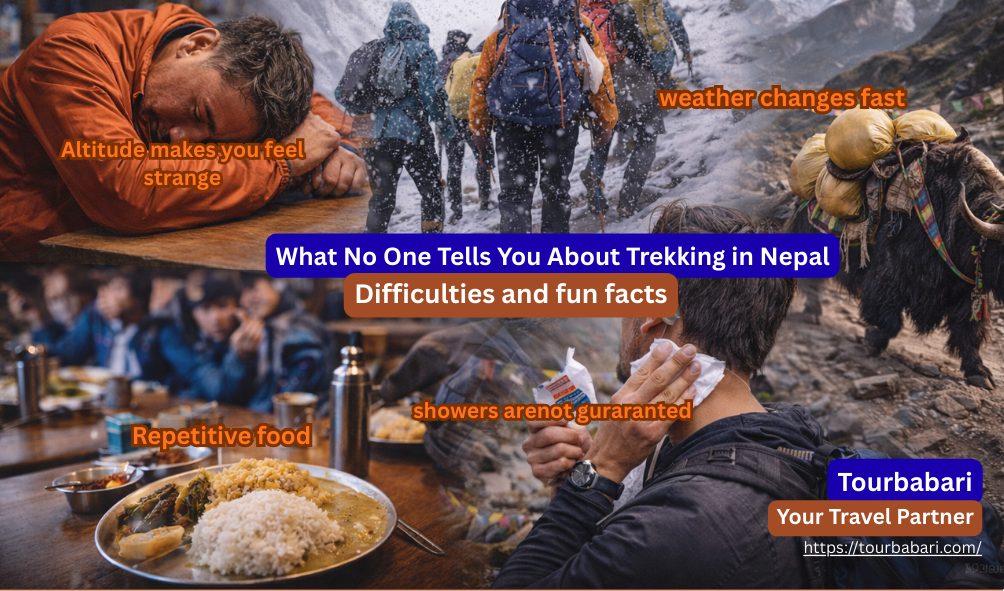
- A plate of dal bhat tastes like a five star meal after six hours of walking.
- You sit in a small teahouse. Your cheeks are cold. Your hands wrap around a cup of tea. Strangers become friends within minutes.
- There is something powerful about shared struggle.
- Trekking in Nepal strips life down to basics. And in that simplicity you find joy.
The Silence Is Loud
- At high altitude there are moments of pure silence.
- No traffic. No notifications. No noise.
- Just wind brushing against prayer flags.
- That silence forces you to hear your own thoughts. Sometimes that is uncomfortable. Sometimes it is exactly what you need.
- Many people come for adventure. Few expect reflection.
Fear and Beauty Exist Together
- Weather changes fast.
- One minute sunshine. Next minute clouds rolling in thick and dramatic.
- You may feel a little fear crossing suspension bridges above deep valleys. Or walking narrow trails carved into cliffs.
- But that edge of fear makes everything sharper. Colors look brighter. Moments feel intense.
- Adventure is not about comfort. It is about feeling alive.
The Finish Line Is Emotional
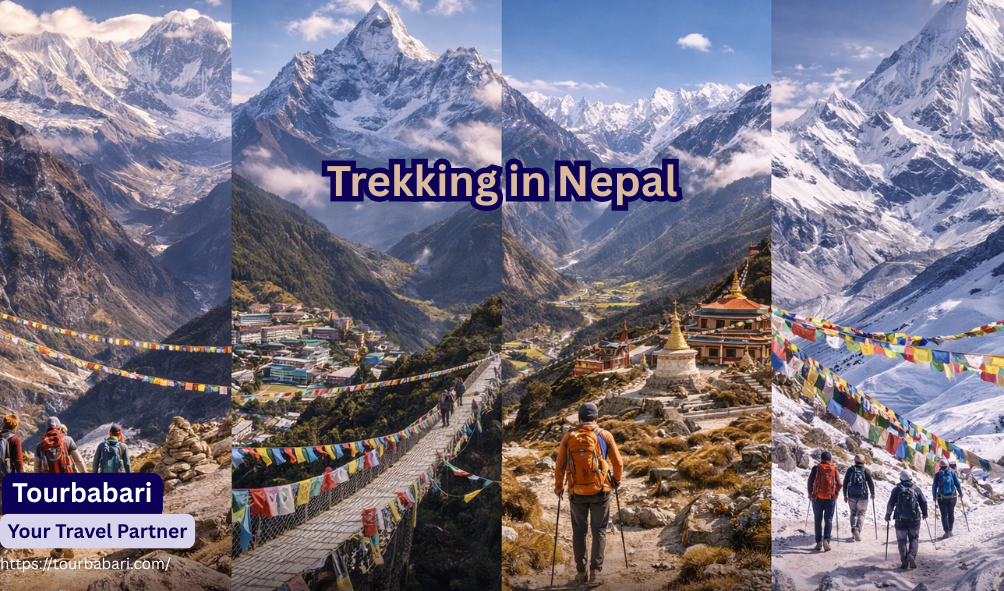
When you finally reach your destination. Whether it is Everest Base Camp or a quiet mountain pass on the Annapurna Circuit. Something shifts inside you.
- You are tired. Dusty. Sunburned.
- But you are proud.
- You realize it was never just about reaching a place.
- It was about every step that got you there.
The Hardest Part Is Leaving
No one tells you this.
- The hardest part of trekking in Nepal is coming back.
- Back to traffic. Deadlines. Screens.
- Part of you stays in the mountains.
- You miss the slow mornings. The simple routine. The feeling of walking with purpose.
- And that is when you understand.
- Trekking in Nepal is not just a trip.
- It is a story you carry for the rest of your life.
Hidden Physical Challenges of Trekking in Nepal
Altitude Changes Your Body in Strange Ways
No one really explains what high altitude actually feels like.
You might lose your appetite even though you are burning thousands of calories. You might wake up in the middle of the night feeling wide awake. Your lips crack. Your skin gets dry. Even walking a short slope makes your heart beat fast.
Above four thousand meters on routes like Everest Base Camp your body works overtime just to breathe.
This is why acclimatization days are not optional. They are necessary. Slow walking is not weakness. It is strategy.
Trekking in Nepal rewards patience. Not speed.
Your Phone Becomes Useless
You start the trek thinking you will capture everything.
By day two you realize something.
Cold drains your battery fast. Charging costs extra in many teahouses. Network disappears as you climb higher.
And strangely that feels good.
You stop checking notifications. You stop scrolling. You start noticing things. The sound of boots on gravel. The smell of pine forests. The way light changes across the mountains.
You are more present than you have been in months.
You Will Meet Incredible People
The trail connects strangers in a unique way.
You share tables. Stories. Snacks. Blisters. Laughter.
You meet solo travelers chasing clarity. Couples celebrating milestones. Locals carrying loads heavier than you thought possible.
In regions like Langtang Valley and the Manaslu Circuit you often see fewer crowds and deeper connections.
By the end of the trek people you met days ago feel like old friends.
The Porters Are the Real Heroes
What no one tells you clearly enough is this.
Porters carry twenty to thirty kilos across steep terrain. In basic shoes. In all weather.
While you focus on your step count they are carrying the weight of someone else’s adventure.
Trekking in Nepal becomes more meaningful when you notice this. Respect them. Greet them. Tip fairly.
Without them many treks would not even be possible.
The Landscape Keeps Changing
You do not just walk on snow and rocks.
You start in green forests filled with rhododendron. Cross suspension bridges over roaring rivers. Walk through terraced farms and quiet villages.
Higher up trees disappear. The land turns rugged. Brown. Dramatic.
On the Annapurna Circuit you experience multiple climate zones in one journey.
It feels like traveling across countries without leaving the trail.
Hygiene Becomes Flexible
Let us be honest.
Showers are not daily. Sometimes not even warm.
Laundry means hand washing in cold water and hoping it dries by morning. Toilets can be basic in remote areas.
You quickly adjust.
Comfort shifts. Clean socks feel like luxury. Wet wipes feel essential.
And when you return home your first hot shower feels unforgettable.
The Cost Is More Than Money
Yes you spend on permits. Guides. Food. Accommodation.
But trekking in Nepal also demands time. Energy. Mental focus.
It takes you away from routine. It challenges your limits.
And in return it gives perspective.
Standing beneath peaks like Mount Everest you understand how small daily worries really are.
That realization alone is worth the journey.
You Start Measuring Life Differently
Before the trek you measure days by emails and deadlines.
On the trail you measure days by distance walked. Altitude gained. Villages reached.
Success becomes simple.
Did you keep going. Did you support your team. Did you respect the mountain.
That shift stays with you long after the trek ends.
Explore Historical and Cultural Sites While Returning from Trekking in Nepal
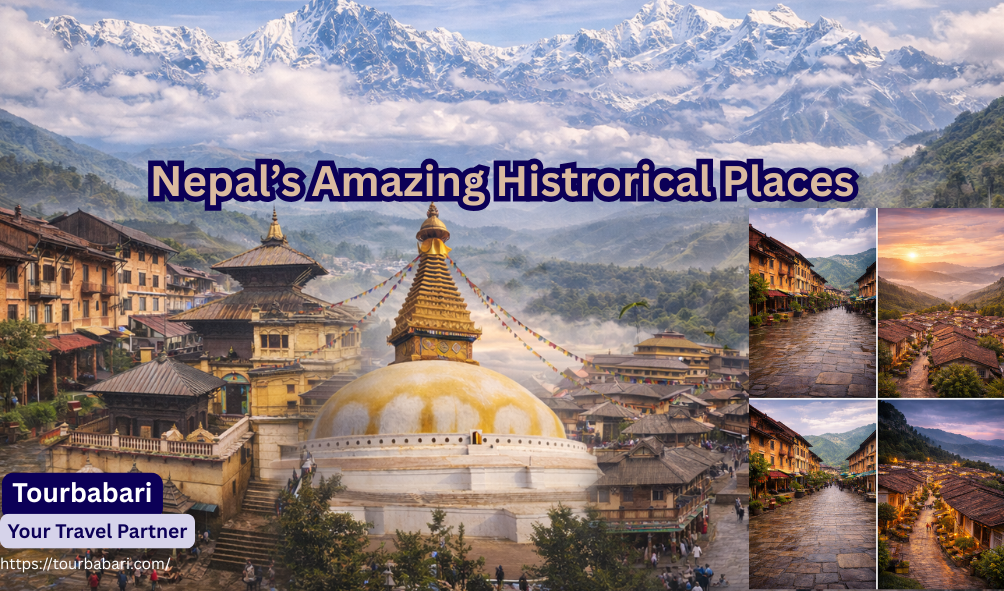
After completing your trek, your journey does not have to end with the mountains. On the way back, you can visit beautiful and historic destinations near Kathmandu. Bandipur is a charming hilltop town with preserved Newari architecture and stunning Himalayan views. In Kathmandu, Pashupatinath Temple offers a glimpse into Nepal’s spiritual heritage, where sacred rituals along the Bagmati River take place daily. Nearby, the Boudhanath Stupa and Swayambhunath (the Monkey Temple) showcase centuries-old Buddhist traditions and intricate architecture. Visiting these sites adds a rich cultural layer to your trekking adventure, making your trip to Nepal both an outdoor and cultural experience.
Trekking in Nepal Is Addictive
Here is the truth no one warns you about.
One trek is rarely enough.
After completing one route you start thinking about the next. Maybe a quieter path. Maybe a higher pass. Maybe returning in another season.
- The Himalayas have a quiet pull.
- You go once for adventure.
- You go back for something deeper.
- And that is what no one tells you.
- Trekking in Nepal does not just show you mountains.
- It shows you yourself.






